Australia's sunscreen industry is facing a significant regulatory shake-up. On 26 March 2026, the Therapeutic Goods Administration (TGA) published a media release announcing the potential for proposed reforms to sunscreen regulation in Australia, including changes to sunscreen Sun Protection Factor (SPF) labelling requirements, testing and laboratory oversight. In a country with the highest rates of skin cancer and melanoma in the world, the stakes could hardly be higher. As the TGA stated: "it is critical that the regulatory settings are appropriate to ensure consumer confidence in sunscreens".
With this announcement the TGA has opened an eight-week public consultation entitled ‘Seeking improvements to the regulation of sunscreens in Australia’, inviting interested parties to respond by 23 May 2026. The question to be answered over the coming weeks will be whether industry and consumers find the potential proposals to be sufficient measures to rectify the current distrust in sunscreen claims and regulation, or simply a knee-jerk reaction meant to prove that the TGA has not been sitting on its hands.
The TGA taking a stance following ‘SunscreenGate’
The proposed reforms represent the TGA’s response to what has become known as ‘SunscreenGate’, the periodic investigation of sunscreen SPF claims by consumer group CHOICE in mid-2025. The results were concerning, with 16 out of 20 popular sunscreens tested failing to meet the SPF claims on their labels. In one particularly alarming instance, a mineral sunscreen product marketed as SPF 50+ was found to have an SPF of just four, leading to a voluntary recall. More than 20 sunscreens sharing that same base formula were ultimately pulled from sale in Australia as a result. Subsequent ABC investigations raised further concerns, revealing that a number of different products marketed in Australia were being supplied under a single Australian Register of Therapeutic Goods (ARTG) identification number (AUST-L), and questioning the reliability of results from certain overseas testing laboratories. The TGA acknowledges that these developments, alongside its own internal reviews and investigations, prompted the current review of the regulatory framework.
Key proposals
The consultation paper canvasses a range of options to strengthen the current regulatory framework across seven key areas:
- SPF testing reliability and transparency: currently, sunscreen manufacturers are not required to provide their SPF testing data to the TGA to obtain listing on the ARTG. This has been criticised for resulting in limited transparency regarding the actual scientific evidence which underlies manufacturers’ SPF ratings. The TGA has proposed potential reform in requiring this information to be made public, noting that open data supports transparency and evidence-based decision making. However, the regulator acknowledged potential drawbacks, including the risk that publicly available data could be used by competitors to reverse-engineer formulations.
- New testing technologies: the TGA is looking to enable new testing technologies. The TGA acknowledged that the current in vivo (on humans) testing method in the current standard ISO 24444, has significant variability in results. One option put forward by the TGA is to update the current regulatory framework to allow sponsors to rely on testing methods contained in updated ISO standards, which include in vitro SPF testing methods, which measure an SPF’s performance in isolation without the need for human testing. The in vitro method contained In ISO 23675 is not yet officially recognised by Standards Australia in AS/NZS 2604, nor in the Australian therapeutic goods legislation. This change would help ensure that regulatory standards keep pace with scientific advances. However, allowing the TGA to accept in vitro SPF results as the standard would however require amendments to existing legislation and to AS/NZS 2604, which could be both complex and time-consuming.
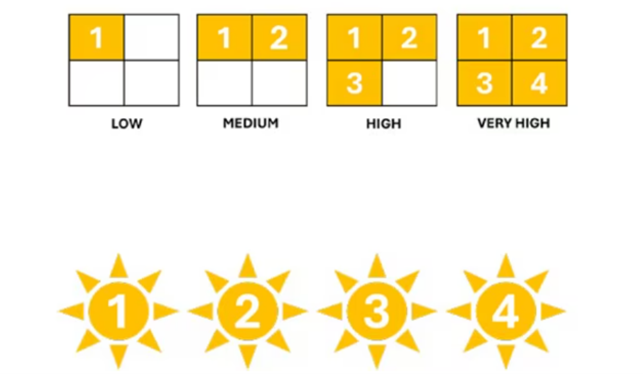
- SPF labelling: perhaps the most eye-catching proposal is the potential removal of the current numerical SPF scale in favour of a simplified system of visual categories of low, medium, high, and very high protection. The TGA outlined three options for SPF labelling:
- Stay the same and keep the current SPF system: the SPF numerical scale is already the benchmark for sun protection worldwide and would not require legislative amendments. However, the numerical scale has been criticised for potentially causing misinterpretation of protection levels, with the difference between SPF 30 and 50 often perceived as being larger than it is in reality. Some experts have also noted that SPF testing inherently involves a degree of variability that precise numbers do not adequately reflect.
- Add more detail: this would require manufacturers to add more information to SPF labels to better explain how the measurement scale works, such as “SPF30 blocks 97% of UVB rays”. However, this may still result in misunderstandings as to how the numbers relate to how much and how often the sunscreen should be reapplied.
- Replace the SPF rating system completely with the four categories of protection: this is the most drastic change and could take the form of either using a rating system of words to convey protection- ‘low, medium, high and very high’ - or by using a graphic (see below). The TGA believes this would simplify and best convey the complex scientific data to consumers to understand the level of protection they are buying. However, the TGA acknowledges that any such change would require legislative amendments and investment in industry, as well as diverging Australia from other countries that use numerical SPF ratings.
- Laboratory oversight: the proposals include strengthening oversight of testing laboratories, with a move towards mandatory accreditation requirements. The TGA has identified that SPF testing data from certain laboratories appeared unreliable and that some product owners and manufacturers lacked an understanding of their legal obligations. Increased laboratory oversight would ensure better consistency and standardisation across manufacturers.
- Lifecycle quality assurance: the reforms would enhance lifecycle quality assurance measures, including periodic testing and ingredient standards, to ensure that sunscreens continue to perform as claimed throughout their shelf life.
- Harmonisation of therapeutic and cosmetic sunscreen claims: the proposals aim to provide greater consistency with the indications that therapeutic and cosmetic sunscreens can make, addressing the current dual regulatory framework under which sunscreens are regulated as either cosmetics or therapeutic goods depending on their ingredients, therapeutic claims, and claimed SPF.
- Good Manufacturing Practice (GMP): the TGA intends to update GMP guidance to improve manufacturing quality across the sector.
Industry and stakeholder reactions
Consumer group CHOICE has broadly welcomed the announcement, referring to the proposals as “fantastic news”. The consumer group is supportive of the reforming of Australia’s current sunscreen regulatory landscape and encouraged the expanding of SPF testing methods and TGA oversight of sunscreen manufactures and laboratories.
Regarding the proposed change in SPF labelling from numerical ratings to either word or graphic alternatives, however, both CHOICE and wider industry stakeholders have already criticised this move. Arguments against this change include that Australian consumers are already accustomed to the numerical scale, and to change it would require consumers to understand and become accustomed to a new ratings system. Furthermore, having a scale with specific numbers allows for companies to be held to greater account for the claims they are making. Instead, CHOICE offered their support for the alternative of simply adding more information to the labels to make more sense of the SPF measurement scale.
Further, as the SPF numerical rating is widely used outside of Australia, a change to our labelling would likely put as at odds with our trading partners. For example, New Zealand only mandated the current standard AS/NZS 2604 in 2022. The proposed changes would require sunscreen manufacturers who sell internationally to ensure they are complying with multiple different SPF labelling requirements.
Next steps
The TGA will host a webinar on 14 April 2026 at 1:00 pm (AEST) to provide stakeholders with an overview of the key proposals in the consultation paper. Attendees will have the opportunity to put questions to the TGA's expert panel ahead of submitting their formal response. The session will be recorded and made available on the TGA website and YouTube.
The public consultation closes on 23 May 2026. Businesses operating in the sunscreen and skincare sector, as well as industry bodies, testing laboratories, and consumer advocates, should consider engaging with this consultation process.
The proposed reforms represent a major change in sunscreen regulation and signal the TGA’s intent to hold manufacturers to account, because it's not just the regulator's reputation on the line, it's Australians' skin. If adopted, the reforms have the potential to fundamentally reshape sunscreen regulation not only in Australia, but also New Zealand, which follows the same sunscreen standards under AS/NZS 2604. For further information on the proposed reforms or assistance in preparing a submission, please contact our team.
In the meantime, “Slip, slop, slap”, and use only as directed.